(Design)
How AI-Workflows are changing image editing
Dave Hänggi
•
March 10, 2026
From Pixel Editing to Intelligent Systems
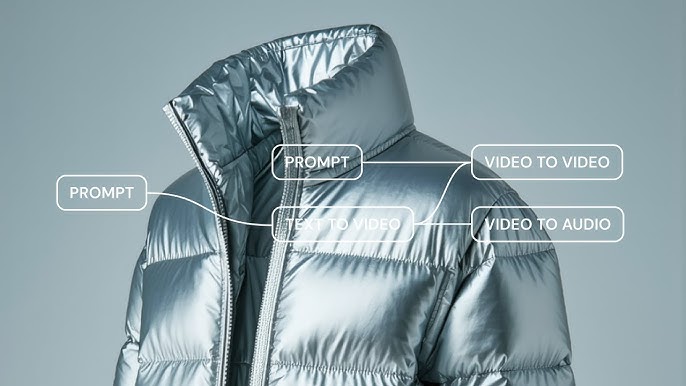
AI-driven creative workflows are fundamentally changing the way we edit and produce images. What once required complex masking, retouching and hours of manual adjustments can now be explored in a much more fluid and iterative way. Designers can connect visual elements, experiment with variations and refine compositions faster than ever before. Tools like Weavy demonstrate how image editing is evolving beyond traditional software. By using AI-assisted tagging and connected visual elements, assets can be manipulated, extended or recomposed in a more structured and intelligent workflow. Instead of editing isolated pixels, designers increasingly work with systems that understand objects, materials and visual relationships.
A New Ecosystem of Creative Tools
At the same time, a new ecosystem of tools is emerging. Platforms such as Runway, Krea, Magnific, and Adobe Firefly are pushing the boundaries of what is possible in image generation, enhancement and visual experimentation. Each of these tools approaches the problem differently — from AI-assisted editing and upscaling to generative workflows and rapid visual prototyping.
Expanding the Creative Process
For creative studios, this shift is less about automation and more about expanding the creative process. AI allows designers to explore more directions, move faster through iterations and focus more on concept, composition and narrative. The tools change, but the core challenge remains the same: turning ideas into visual experiences that resonate with people.